
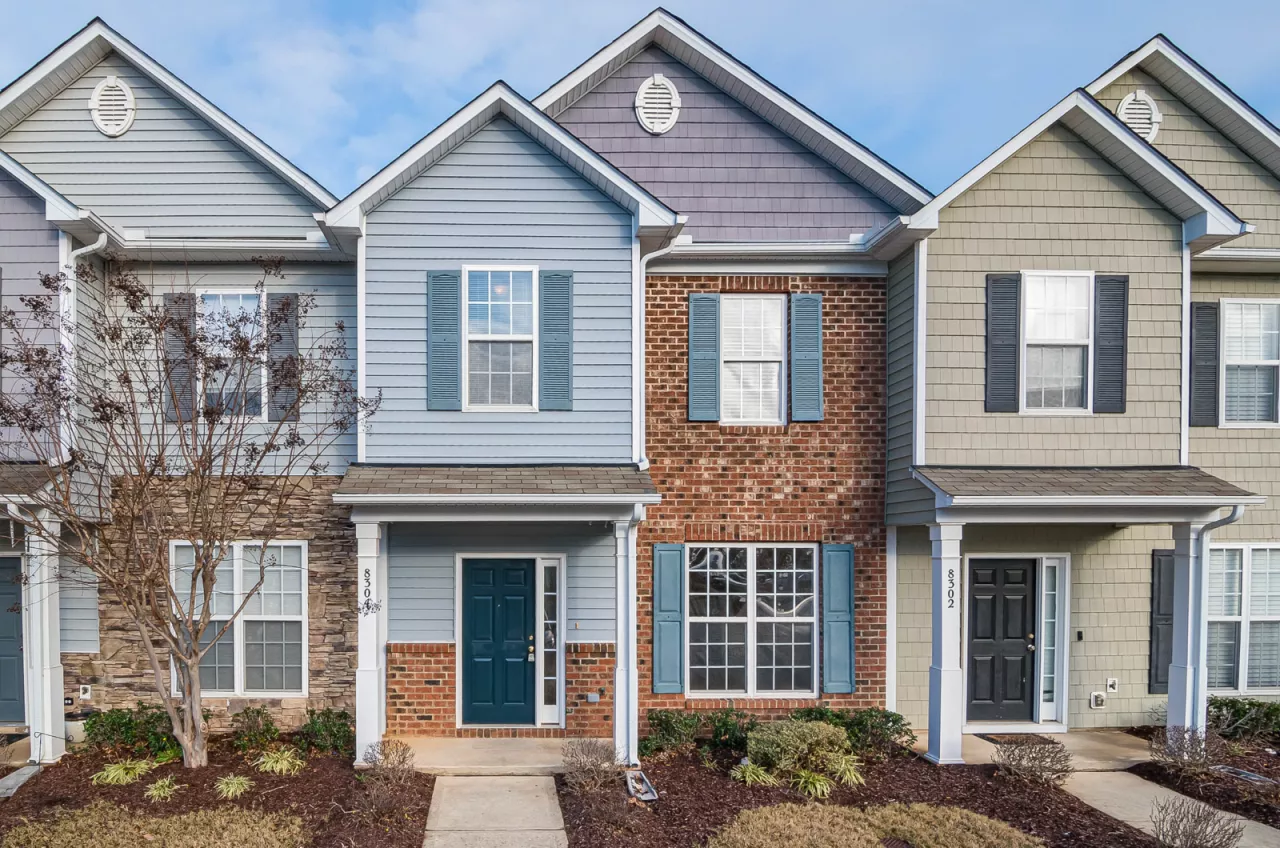
Probate real estate is property owned solely by a deceased person that must pass through the probate process before it can be legally sold or transferred to heirs. It stays part of the estate, under court oversight, until debts and taxes are resolved and a judge authorizes distribution.
Whether you are an executor, heir, beneficiary, or potential buyer, understanding how probate real estate works removes much of the uncertainty from a process that can otherwise feel overwhelming.
What Counts as Probate Real Estate?
Probate real estate includes homes, land, commercial buildings, and any other real property held solely in the decedent's name. These assets remain part of the estate until the probate court authorizes their distribution, a step that falls under the same judicial process Cornell Law School's Legal Information Institute uses to define probate generally. The court verifies the will, appoints the executor or personal representative, and oversees how the property is managed, maintained, and eventually transferred.
How the Probate Process Governs Distribution
The process ensures the decedent's property passes according to their will or, absent one, intestate succession law. The court reviews documents, appoints the executor, and confirms who the rightful heirs are. Once probate opens, the executor identifies estate assets, appraises real property, manages financial accounts, and notifies interested parties. Court oversight at each stage protects both creditors and beneficiaries and helps prevent disputes.
Legal Requirements and Court Involvement
Probate courts typically require official filings, notice to creditors, proof of will validity, and accurate accounting before authorizing any transfer. Executors must submit the death certificate, petition to open probate, and follow state-specific procedural rules. Court involvement can include approving a property sale, reviewing appraisals, resolving disagreements, and confirming compliance with deadlines throughout the case.
How Title Actually Transfers
Property ownership transfers only after the court authorizes distribution of the estate. Until then, the executor manages the property while probate is pending. Once debts, taxes, and creditor claims are resolved, the court issues an order allowing the estate to distribute or sell the property. Completing the transfer requires:
- A court order granting authority to transfer or sell
- Proper documentation proving the decedent's ownership
- Recording the new deed with the appropriate county or state office
- Meeting any additional probate case requirements specific to that state
Who Is Involved: Heirs, Administrators, and Attorneys
Heirs and beneficiaries hold legal rights to the estate, including any real property, and may need to provide signatures or approve certain decisions along the way. The executor or estate administrator manages the process day to day: distributing assets, resolving debts, maintaining the property, and communicating with the court. A probate attorney often helps navigate complex issues, address disagreements, and ensure state law compliance, particularly with unusual estate planning documents or creditor disputes.
Creditors, Taxes, and Debts Tied to the Property
Probate real estate cannot transfer until debts, taxes, and valid creditor claims are addressed. Mortgages, liens, property taxes, and other unresolved obligations must be evaluated by the executor before any distribution. The property's value also counts toward the estate for federal estate tax purposes, though the IRS only requires a federal estate tax filing once the gross estate exceeds a threshold that is well into the tens of millions of dollars and adjusts each year. If the estate lacks enough liquid assets to cover debts or taxes, selling the property may become necessary to satisfy what is owed.
Probate Sales, Auctions, and Closing
Estate property can be sold under court supervision through a few different structures:
- Standard probate sale: the executor lists the property, accepts offers, and the court may approve the final sale
- Court-confirmed sale: the buyer's offer is reviewed in court, and competitive bidding may occur
- Probate auction: the property sells to the highest bidder at a public auction, often used when a quick sale is needed
- Heir buyout: one heir purchases the other heirs' interest to keep the property within the family
Closing involves completing contracts, clearing title, paying estate debts, and filing final documents with the court. Once a sale is approved, remaining proceeds become part of the estate and are distributed to heirs. For the mechanics of listing and selling this kind of property, see our full guide on what a probate sale actually means.
Alternative Structures That Avoid Probate
Property held in joint tenancy, tenancy by the entirety, or with a transfer-on-death deed passes directly to the surviving owner without probate. A properly funded trust can also hold real property so a trustee can distribute it without court involvement. These tools reduce delay and give families more control over how real estate transfers, and pair naturally with a will that covers everything the trust does not.
Can You Sell a House While It Is in Probate?
In most states, yes, once the executor has court authority to act, though the sale itself often still requires court notice or approval before it closes. If the estate needs to sell quickly to cover debts, this can happen well before the estate formally closes; see our related guide on selling a house during probate for the specifics.
Preguntas frecuentes
Does all real estate go through probate?
No. Property held in joint tenancy with survivorship rights, or already inside a properly funded trust, generally bypasses probate and transfers directly to the surviving owner or beneficiary.
Can heirs sell inherited property before probate closes?
Only with court authorization in most cases. The executor typically needs approval to list and close a sale while the estate is still open.
Who pays the mortgage on a house during probate?
The estate is generally responsible for ongoing mortgage payments until the property is sold or transferred, using estate funds when available.
What happens if multiple heirs disagree about selling the property?
The executor and court can mediate, but persistent disagreement sometimes leads to a court-ordered sale or a buyout arrangement between heirs.
Are probate real estate sales always sold as-is?
Often yes, since estates typically do not want to invest in repairs, but this is not a universal rule and varies by the executor's decisions and the property's condition.