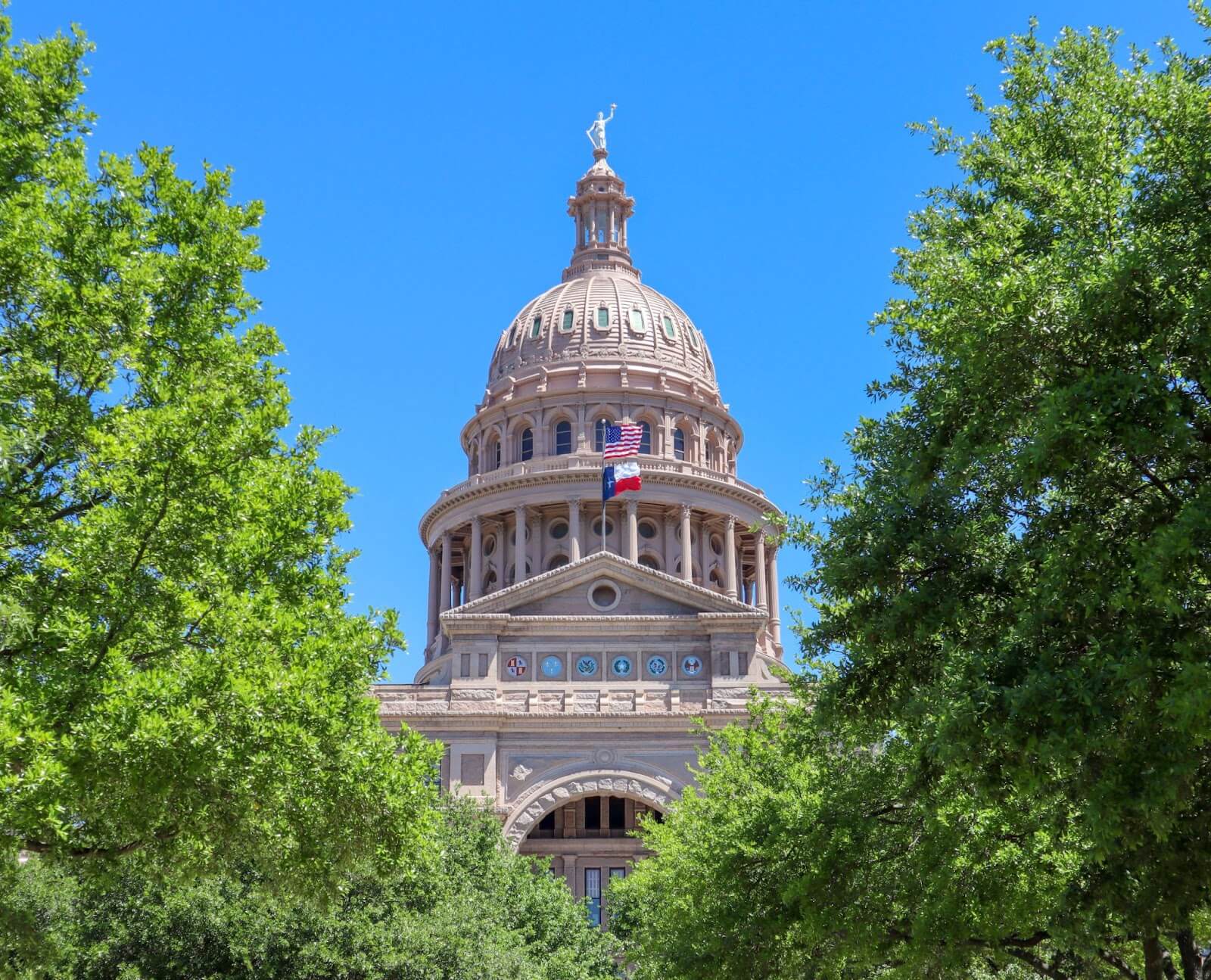

In Texas, probate is generally necessary when the decedent owned real estate solely in their name, left significant debts, had no beneficiary designations on certain accounts, or died without a valid will. Some situations, like a qualifying small estate or assets held in joint tenancy, can avoid the full formal process.
Whatever state you are in, a properly executed will is what determines how smoothly this process goes for your family. Build your online will with FastWill before you assume you can skip this step.
When Probate Is Typically Required in Texas
1. The Decedent Owned Real Estate Solely
When someone dies owning a home, land, or commercial property solely in their name, transferring that title to heirs generally requires probate, unless the property qualifies for a small estate affidavit.
2. There Are Significant Debts or Creditors
Probate gives creditors a structured window to file claims, and the executor must ensure valid debts are paid from estate assets before anything goes to beneficiaries.
3. Certain Assets Have No Beneficiary Designation
Bank accounts, retirement accounts, life insurance policies, and brokerage accounts with a valid beneficiary listed bypass probate and go directly to that person. Without a designation, or if the named beneficiary predeceased the account holder, those assets typically need to go through probate instead.
4. There Is No Valid Will
If someone dies without a valid will, their estate is distributed under Texas intestate succession law. Probate is still necessary here to formally identify heirs and authorize the transfer of assets according to that statute.
5. The Estate Meets Small Estate Affidavit Criteria
Texas allows a Small Estate Affidavit for qualifying estates, which offers a faster, less involved alternative to formal probate. Specific value limits and requirements apply, so confirm current eligibility with the local probate court or an attorney rather than assuming your estate qualifies.
6. A Beneficiary Disputes the Will or Administration
When someone contests the will's validity or the executor's actions, probate becomes the forum where that dispute gets resolved. As the Cornell Law School Legal Information Institute explains, part of what a probate court does is confirm there was no fraud, duress, or undue influence behind a will before treating it as valid, which is exactly the kind of question a contested estate puts in front of the judge.
7. Real Property Is Held in Joint Tenancy
Property held in joint tenancy with right of survivorship, or as tenancy by the entirety, typically passes directly to the surviving owner outside of probate. If all joint owners have died, or the decedent was the sole owner at death, probate becomes necessary to transfer the property properly.
Understanding Probate in Texas
Probate in Texas is not automatic in every case, but several common circumstances make it necessary: solely owned assets, significant debt, no valid will, or unresolved disputes. Alternatives like a small estate affidavit or clean beneficiary designations can streamline or bypass the process entirely when the estate qualifies. The American Bar Association's Real Property, Trust and Estate Law Section notes that probate rules like these differ substantially by state, which is exactly why a Texas-specific checklist will not necessarily apply if the estate has property in another state. For a broader look at when probate is not required at all, see our companion guide on when probate is not necessary.
A Worked Example: Mixed Assets in One Estate
Consider someone who dies owning a house solely in their name, a joint checking account with a spouse, and a retirement account with a named beneficiary on file. The joint account and the retirement account pass directly to the surviving spouse and the named beneficiary without probate, since ownership and beneficiary designations already control who receives them. The house is a different story. Because it was titled in the decedent's name alone, transferring it to heirs requires either a small estate affidavit, if the estate qualifies, or formal probate to clear title so it can be sold or refinanced. This mixed pattern is common in Texas estates: some assets move automatically through beneficiary designations or joint ownership, while solely owned real estate still needs a court process before it can change hands legally.
Independent vs. Dependent Administration in Texas
Texas offers a feature many other states do not: independent administration. If the will grants the executor independent authority, or all heirs agree to it, the executor can manage most of the estate, paying debts, selling property, and distributing assets, without returning to court for approval at every step. Dependent administration, by contrast, requires court approval for most significant actions, which adds time and cost but also adds oversight. A will that explicitly grants independent administration is one of the simplest ways to speed up probate for a Texas estate.
How a Will Changes the Outcome
A valid will does not eliminate probate, but it dramatically simplifies it by clearly naming an executor, spelling out asset distribution, and reducing the odds of a dispute. Compare this to what happens without one in our guide on when probate is generally required.
Preguntas frecuentes
Do all estates in Texas require probate?
No. Estates with mostly jointly owned property, valid beneficiary designations, or that qualify for a Small Estate Affidavit may avoid formal probate.
What is a Texas Small Estate Affidavit?
It is a simplified process available to qualifying smaller estates that lets heirs collect assets faster and with less paperwork than formal probate, subject to specific state requirements.
Does having a will guarantee my estate skips probate?
No. A will guides the probate process and reduces disputes, but the estate still generally passes through the court unless assets are held in non-probate form.
What happens if there is no valid will in Texas?
The estate is distributed under Texas intestate succession law, and probate is still necessary to formally identify heirs and authorize the transfer.
Can a will dispute delay probate in Texas?
Yes. If a beneficiary contests the will or the executor's actions, the case can take significantly longer to resolve.
What if the decedent owned property in another state?
Property located outside Texas typically requires a separate ancillary probate proceeding in that other state, in addition to the primary Texas probate, since each state controls how title to real estate within its own borders is transferred.
Give your executor a will built around your actual state's requirements. Create your online will with FastWill today.