
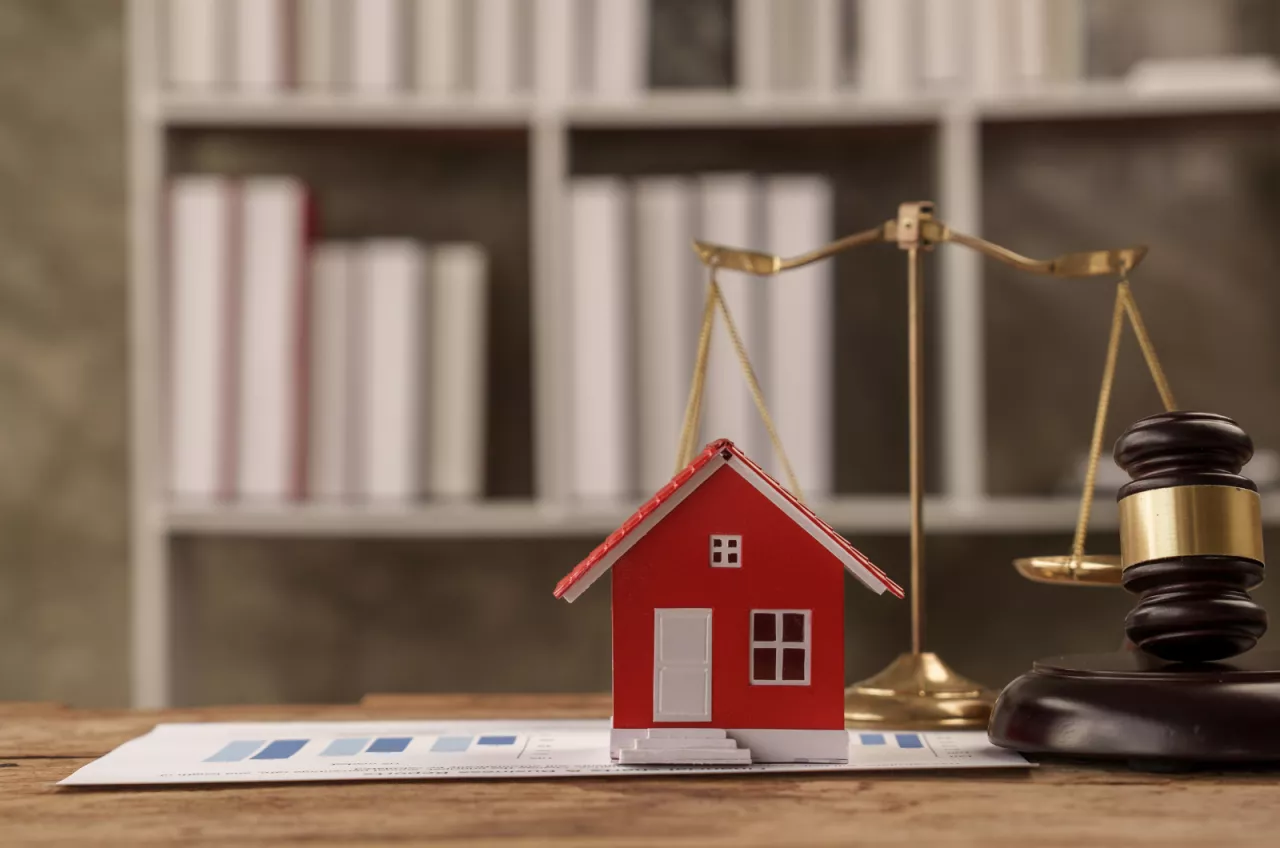
A probate sale is a real estate transaction where the court oversees the sale of a deceased person's property, typically to settle debts and distribute estate proceeds under state probate law. These sales generally take longer than a standard transaction, but buyers often find less competition and negotiable pricing in exchange for that wait.
Understanding how a probate sale actually works helps both buyers and sellers move through the extra steps with confidence.
What Does Probate Sale Mean?
A probate sale occurs when the probate court authorizes the sale of real estate belonging to a deceased person, helping settle the estate while ensuring debts, taxes, and distributions follow the same court-supervised process that Cornell Law School's Legal Information Institute uses to define probate generally. Because probate properties are usually sold as-is, buyers should expect to assess the property's condition carefully before committing. Executors preparing a listing typically rely on appraisals, attorney guidance, and an experienced real estate agent who understands the extra steps involved.
How the Probate Sale Process Works
The process begins when someone files a petition with the local probate court, which leads to appointing an executor or administrator. Once appointed, the representative orders an independent appraisal so the estate can price the property fairly. After that, the home is listed, and buyers can begin making offers.
Because a probate sale works differently than a standard one, buyers often must provide a deposit, complete additional disclosures, and sometimes attend a confirmation hearing. A sale becomes final once the property receives court approval, at which point the estate can move forward and close.
Probate Sale vs. Traditional Sale
- Court involvement: required for a probate sale; not required for a traditional sale
- Timeline: typically longer for a probate sale, since court scheduling adds time
- Condition: usually sold as-is in probate; negotiable in a traditional sale
- Appraisal: mandatory in probate; optional in a traditional sale
- Approval: must be approved by the probate court; handled directly between buyer and seller otherwise
Because of these extra steps, many buyers seek out a real estate agent who specializes in probate transactions, sometimes called a certified probate real estate specialist.
Legal Steps and Court Approvals Required
The process includes filing, appraisal, notices, disclosures, and attending required hearings. The representative must follow probate law, gather financial documents, and prepare the estate for marketing with the probate court's oversight. Once an offer is accepted, the court schedules a hearing to confirm the sale, at which point a judge evaluates competing bids and formally approves the transaction.
Because the sale is subject to court oversight, buyers may still arrange a home inspection to understand the property's condition before proceeding. Executors typically benefit from support from a real estate attorney or probate attorney, especially when coordinating notices, disclosures, and the final accounting, since the executor is the party legally responsible for these decisions on the estate's behalf.
How Court Supervision Protects the Sale
The probate court where the deceased resided oversees major decisions, including approving the listing, reviewing offers, vetting bidders, and confirming legal compliance. A probate referee or appraiser may evaluate the property before the sale proceeds. This supervision protects heirs and helps ensure the final price reflects true market value, particularly in cases involving competitive bidding.
What Affects Pricing in a Probate Sale?
Several factors shape the final price:
- Independent appraisals
- Needed repairs and overall property condition
- Comparable properties in the area
- Outstanding estate debts
- Current market conditions
- Title status
Because probate sales usually happen as-is, many buyers conduct a home inspection to fully understand the investment before making an offer.
Bidding and Confirmation Hearings
After an offer is submitted, the court sets a confirmation hearing where competing bidders can participate, similar to an auction. This step can increase the final sale price depending on interest. Court oversight enforces deposit requirements and offer procedures throughout, and only after the court approves the sale can the estate distribute proceeds to heirs.
Common Misconceptions About Probate Sales
Many assume probate sales are overly complicated or risky. In reality, they often offer appealing pricing, which is why real estate investors frequently target them. While the overall probate process does take time, delays usually stem from estate complexity, not the sale mechanics themselves. Another common misconception is that buyers cannot inspect the home; in most cases, estates do allow inspections and disclosures so buyers can make an informed decision.
Navigating a Probate Sale as a Buyer or Seller
Buyers benefit most from working with a real estate agent experienced in probate transactions, since bidding rules and disclosure requirements differ from a typical sale. Sellers and executors benefit from partnering with a probate attorney and an experienced agent to keep paperwork accurate and timelines on track. For a deeper look at the property itself before a sale even begins, see our guide on probate real estate: the complete guide, and our related guide on selling a house while in probate if you need to move faster than a typical listing timeline. If you would rather your own family skip this process entirely, a will with clear instructions for real property is the most direct way to reduce friction later.
Preguntas frecuentes
How do I find a probate property for sale?
You can review public probate notices, search listings specifically flagged as probate sales, or work with a local real estate agent who specializes in this type of transaction.
What are the tradeoffs of buying a probate home?
Buyers often get a lower price and less competition, but the process can take longer than a traditional sale because of court scheduling and required confirmation hearings.
How does a probate sale become official?
The sale is finalized once the probate court reviews and approves it, typically at a confirmation hearing where competing bids may still be considered.
Are probate properties good investments?
They can be, particularly for buyers comfortable with as-is condition and renovation work, since probate properties often carry less competition than traditional listings.
What is the best way to avoid probate for real estate in the future?
Common strategies include placing property in a properly funded trust, using a transfer-on-death deed where available, or holding title jointly with rights of survivorship, though the best option depends on your state and overall estate plan.