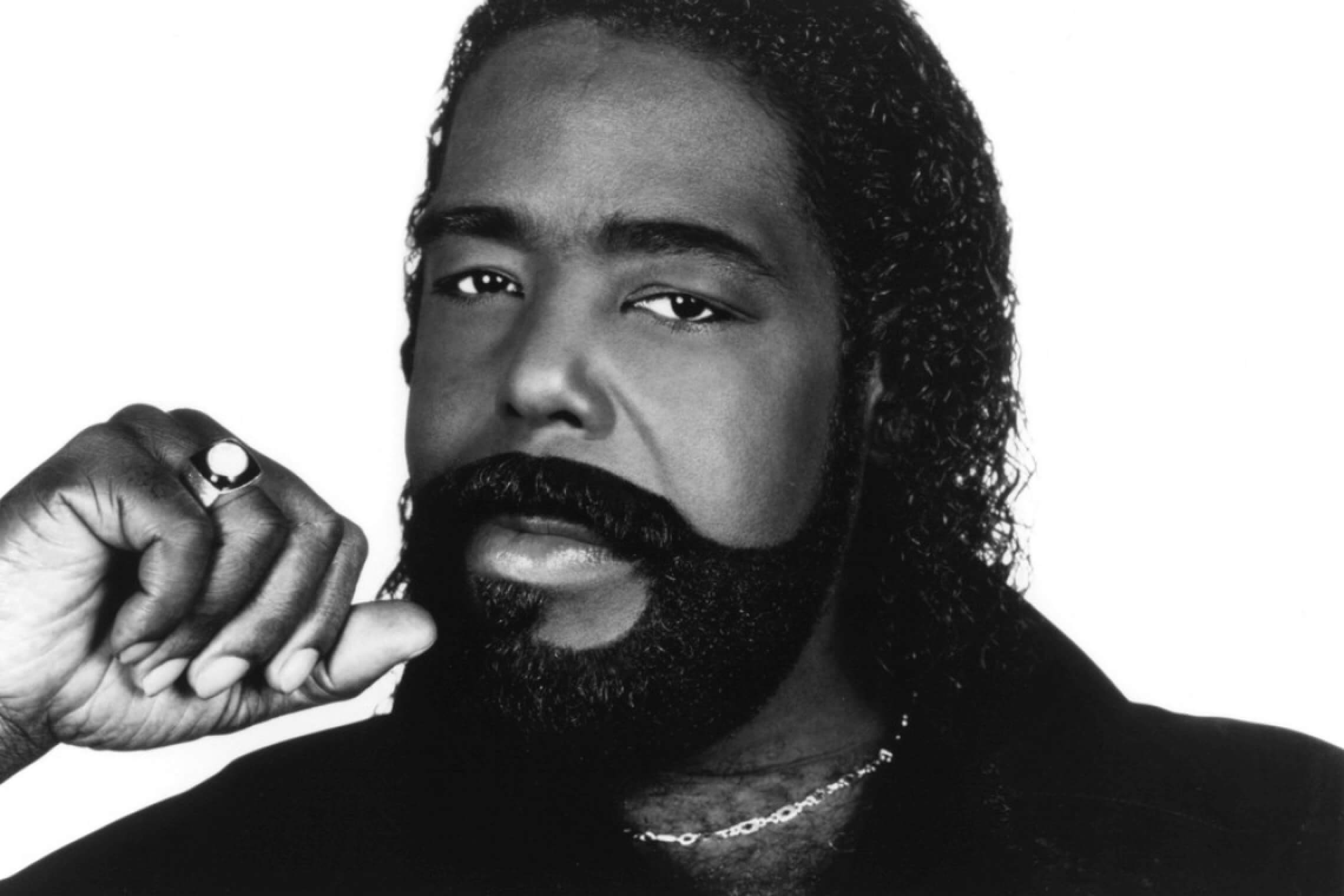
You should update your will after any marriage, divorce, birth, adoption, death of a named beneficiary or executor, major change in assets, move to a new state, or serious change in health. Singer Barry White's estate is a well-documented example of what happens when none of that happens: an outdated will controlled millions of dollars in ways he almost certainly did not intend.
Update your will online with FastWill in minutes rather than letting it sit untouched for years.
What Happened With Barry White's Estate
According to reporting on the decades-long dispute over his estate, Barry White's will had not been updated in years by the time he died in 2003 at age 58. He had separated from his second wife, Glodean James, but the couple never legally divorced, and his will still left the bulk of his estate to her. His long-term partner, Katherine Denton, along with several of his nine children, contested the estate over the following years. One detailed account of the dispute notes that a court-ordered paternity test later determined White was not the biological father of Denton's daughter, which foreclosed her claim through that route, while several of his adult children pursued separate, years-long legal battles over disbursements from the estate.
The Life Events That Should Trigger an Update
Marriage or Divorce
An outdated will can leave a former spouse in line to inherit, or leave a new spouse out entirely. In many states, divorce automatically revokes provisions favoring an ex-spouse, but you should not rely on that default; update your will directly rather than assuming state law will fix it for you.
Births, Adoptions, and Guardianship Changes
A new child should prompt an update to include them and to name or reconsider guardians. White's will was written when he assumed his estranged wife would simply "handle everything," but by the time he died, his family situation looked completely different from when the will was signed.
Death of a Named Beneficiary, Executor, or Trustee
If someone named in your will dies before you, or is no longer able or willing to serve as executor or trustee, your will needs a replacement named directly rather than leaving the court to appoint one.
Significant Changes in Assets
A meaningful increase or decrease in what you own, or a large new debt, is a good reason to revisit how your estate is divided. The value of music catalogs, for instance, has changed dramatically for artists of White's era, and an estate plan that assumed one value years ago can be badly out of step with reality by the time it matters.
Changes in Health
A serious diagnosis or new need for long-term care is a signal to review your plan promptly, not eventually. White was hospitalized with kidney failure and had suffered a stroke in the months before his death, circumstances that call for an urgent review, not a "someday" one.
Changes in Tax Law
Estate and gift tax rules change periodically. The IRS adjusts the federal estate tax exemption most years, and a will or trust structured around an old exemption amount can miss opportunities or create unintended consequences under current law.
What a Trust Could Have Changed
Several accounts of the White estate dispute note that a properly structured trust, rather than a will alone, might have let him provide for his children through a defined, enforceable schedule instead of leaving them dependent on his widow's discretion after his death. A trust names a trustee with a legal duty to follow its terms, which is a meaningfully different protection than hoping a beneficiary who inherits everything outright chooses to honor an old verbal promise.
How Often Should You Review Your Will, Even Without a Trigger Event?
At least once every few years, even if nothing obvious has changed. Laws shift, asset values move, and relationships evolve in ways that are easy to overlook until you sit down and actually reread the document.
A Simple Annual Habit
Pick a date you will remember, a birthday, an anniversary, the start of a new year, and use it as a standing reminder to reread your will once a year. Most years, nothing will need to change. The point is to make the review a habit rather than something that only happens after a crisis forces the issue.
How FastWill Handles This
FastWill's online will builder lets you update your existing plan in minutes rather than starting over or waiting for a "better time" that never comes. If your update involves a move, see our guide on updating your will, trust, and power of attorney when moving to a new state, and if you want to make sure the underlying document is still complete, revisit things you should always put in your will.
Frequently Asked Questions
Does divorce automatically remove my ex-spouse from my will?
In many states, yes, divorce automatically revokes provisions favoring a former spouse, but the rule and its scope vary by state, so update your will directly rather than relying on this as your only safeguard.
Do I need to rewrite my whole will for a small update?
Usually not. A codicil, a short written amendment, can handle a minor change. A more significant life event often warrants a full new will that revokes the old one.
How often should I review my will if nothing major has happened?
Roughly every few years is a reasonable baseline, since tax law and your own circumstances can shift in ways that are easy to miss without a periodic check-in.
What is the biggest lesson from Barry White's estate?
That an outdated will controls your estate exactly as written, regardless of how much your actual life and relationships have changed since you signed it.
Should a health diagnosis change my update timeline?
Yes. A serious diagnosis is a strong signal to review your estate plan promptly rather than waiting, since it directly affects both your ability to make decisions later and your family's need for clarity sooner.