
Yes, you can create a legally valid will online in Texas, as long as the finished document is in writing, signed by you, and witnessed by two people who are at least 14 years old, per the Texas Estates Code. An online platform can guide you through the drafting, but execution still has to follow Texas's specific formalities.
Start your Texas will online with FastWill, then use the checklist below to make sure the final signing step holds up.
Research Texas-Specific Rules Before You Start
Estate laws vary meaningfully from state to state, and Texas has its own rules on execution, self-proving affidavits, and non-probate transfer tools like transfer on death deeds. The Texas State Law Library's wills and directives guide is a useful starting point at no cost for understanding the moving pieces, though it cannot tell you what the law means for your specific situation. A generic, non-state-specific template can miss these details entirely.
Choose a Platform Built for Texas
Not every online will service is written for Texas law specifically. Look for a platform that references the Texas Estates Code directly and updates its templates when the law changes, rather than a one-size-fits-all national form.
Gather What You Need Before You Start Drafting
- A list of your assets and their approximate value
- Full legal names and addresses for your beneficiaries
- Contact information for your chosen executor and at least one backup
- Names of guardians for minor children, if applicable
Select Beneficiaries and an Executor Carefully
Take your time here. These are the two decisions most likely to be scrutinized if your will is ever challenged, so make sure you have full legal names, correct addresses, and a clear understanding of who you are naming and why.
Follow the Platform's State-Specific Prompts
A well-built Texas online will service prompts you specifically about Texas requirements as you go, rather than leaving you to guess. Pay close attention to any step related to witnessing, self-proving affidavits, or notarization.
Review Before You Sign
Read the finished document carefully. Confirm every asset is accounted for, every beneficiary's name is correct, and the language reflects what you actually intend, not just what a template assumed.
Execute the Will the Right Way
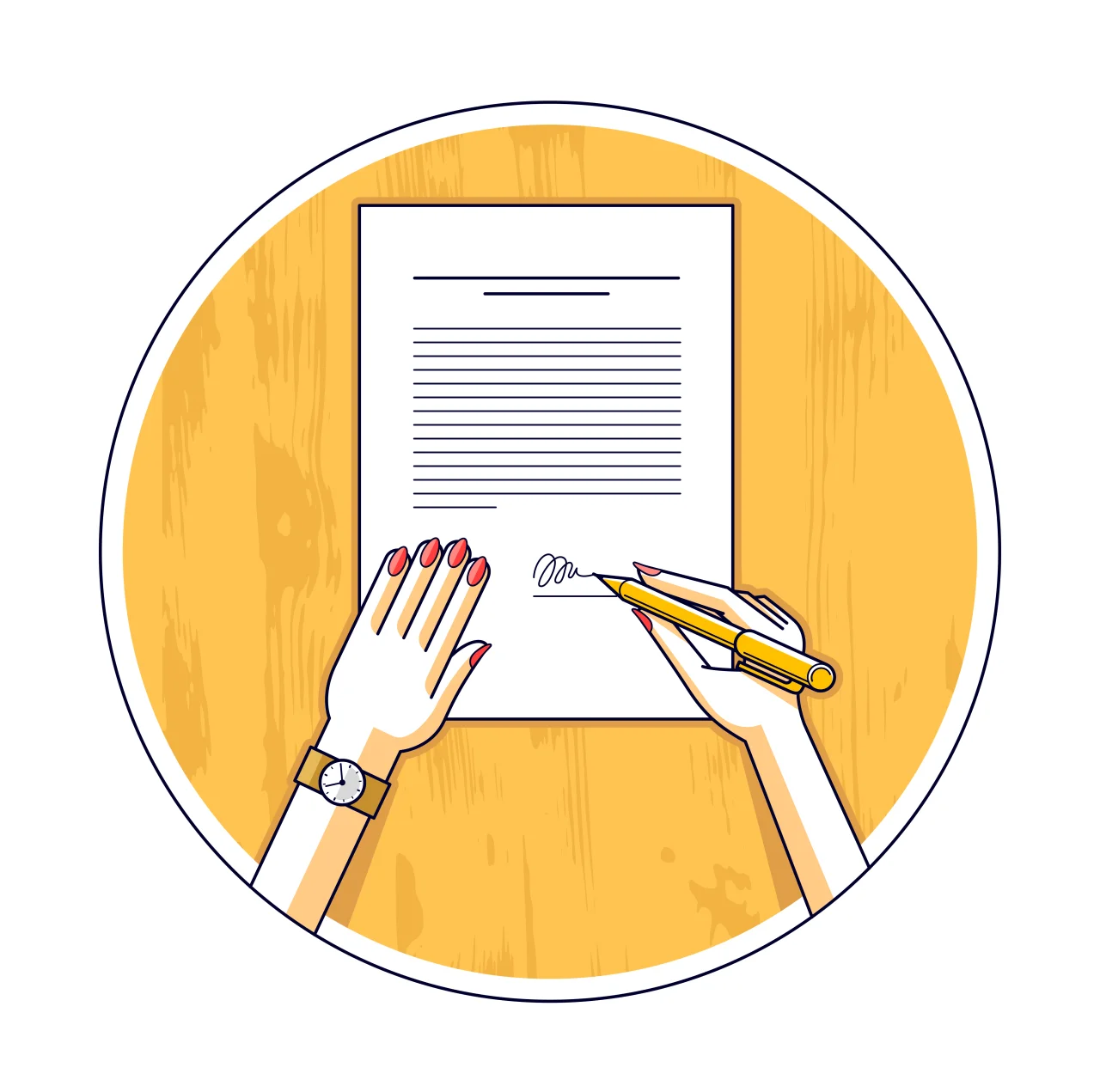
Under Texas Estates Code Section 251.051, a will must be in writing, signed by the testator (or by someone else in the testator's presence and at their direction), and attested by two or more credible witnesses who are at least 14 years old and who sign the will in the testator's own presence. Skipping any part of this, especially the in-presence signing requirement, is one of the most common reasons a Texas will gets challenged.
Update Your Will as Life Changes
Marriage, divorce, a new child, a move, or a significant change in assets are all good reasons to revisit your will. Texas law does not automatically update your will for you when your life changes.
Store the Will Somewhere Findable
Keep the signed original in a safe, accessible place, such as a fireproof safe or bank safe deposit box, and tell your executor and at least one trusted family member exactly where it is. FastWill also lets you store a digital copy securely so it is never truly lost.
Common Mistakes to Avoid
A Worked Example
Say you are a Texas homeowner with a spouse, two kids, and a small side business. You draft your will online over a weekend, listing your house, your accounts, and your business interest, and naming your spouse as primary beneficiary and your sister as backup executor. Before you sign, the platform flags that your state requires two witnesses who are not beneficiaries, so you ask a neighbor and a coworker, neither of whom inherits anything, to witness the signing along with a notary for the self-proving affidavit. That single flag, easy to miss in a generic template, is exactly the kind of Texas-specific detail that keeps a DIY will from being challenged later.
- Using a witness who is also a beneficiary, which can create a conflict of interest a court may scrutinize.
- Signing before witnesses are physically present, rather than in front of them as the statute requires.
- Assuming an out-of-state template automatically satisfies Texas requirements.
- Forgetting to also review our related guide on how to make a will in Texas for the full state-specific checklist, or our companion piece on tips for making a DIY will in Texas for details on testamentary capacity and self-proving affidavits.
How FastWill Handles This
FastWill's platform is built around Texas-specific rules, guiding you through the exact language and execution steps Section 251.051 requires, then letting you finish signing and notarizing without leaving home. See our plans and pricing for the option that fits your situation.
Frequently Asked Questions
Is an online will legally valid in Texas?
Yes, as long as the finished document meets Texas's execution requirements: in writing, signed by the testator, and witnessed by two credible witnesses at least 14 years old who sign in the testator's presence.
Do I need a notary for my Texas will to be valid?
No, notarization is not required for a basic Texas will to be valid, but it is required if you want to attach a self-proving affidavit, which speeds up probate by avoiding the need for witnesses to testify in court.
Can I write my Texas will entirely online without printing it?
You typically need a signed, physical (or properly executed electronic) original with witness signatures. Most platforms have you complete the drafting online, then print for the in-person or remote-notarized signing step.
How old do witnesses need to be in Texas?
At least 14 years old, under Texas Estates Code Section 251.051, and they cannot be a beneficiary named in the will if you want to avoid a potential conflict-of-interest challenge.
What happens if I move out of Texas after making my will?
A validly executed Texas will is generally still recognized in other states, but it is smart to review it after any move, since other documents in your estate plan, like a power of attorney, may need to meet your new state's specific requirements.