
If you are single, a will lets you leave your assets to siblings, friends, or a charity instead of the parents or distant relatives your state's default inheritance law would otherwise favor. Without one, people who actually mattered to you can be left with nothing.
It took 34 years to settle the estate of billionaire Howard Hughes, and the main reason was not his wealth, it was that he died without a will. Hughes was single with no living parents or siblings, so his estate ended up divided among 11 cousins that lawyers spent years tracking down, many of whom Hughes had never even met. If you are single, it is easy to assume estate planning can wait. Here is why that assumption is risky, and how to fix it quickly. FastWill's will package makes this a fast, one-sitting process.
Why Single People Actually Need a Will
Under most states' intestate succession laws, a single person's assets go to their parents first if there is no spouse or child. If your parents have already passed, your estate typically goes to siblings, then more distant relatives, in a fixed order that has nothing to do with who you were actually close to. An unmarried partner, a close friend, or a favorite charity gets nothing under this default system, no matter how important they were in your life.
Do You Need a Will If You Do Not Have Many Assets Yet
Yes. It is tempting to wait until your financial situation improves, but that logic has an obvious flaw: you do not control when you die. If you build a will now, while your estate is simple, you protect whatever you have today and whatever you accumulate later, since you can update the document at any time. Most people who make a will once, then forget about it, are still better protected than people who keep waiting for the "right time."
How to Make an Online Will as a Single Person
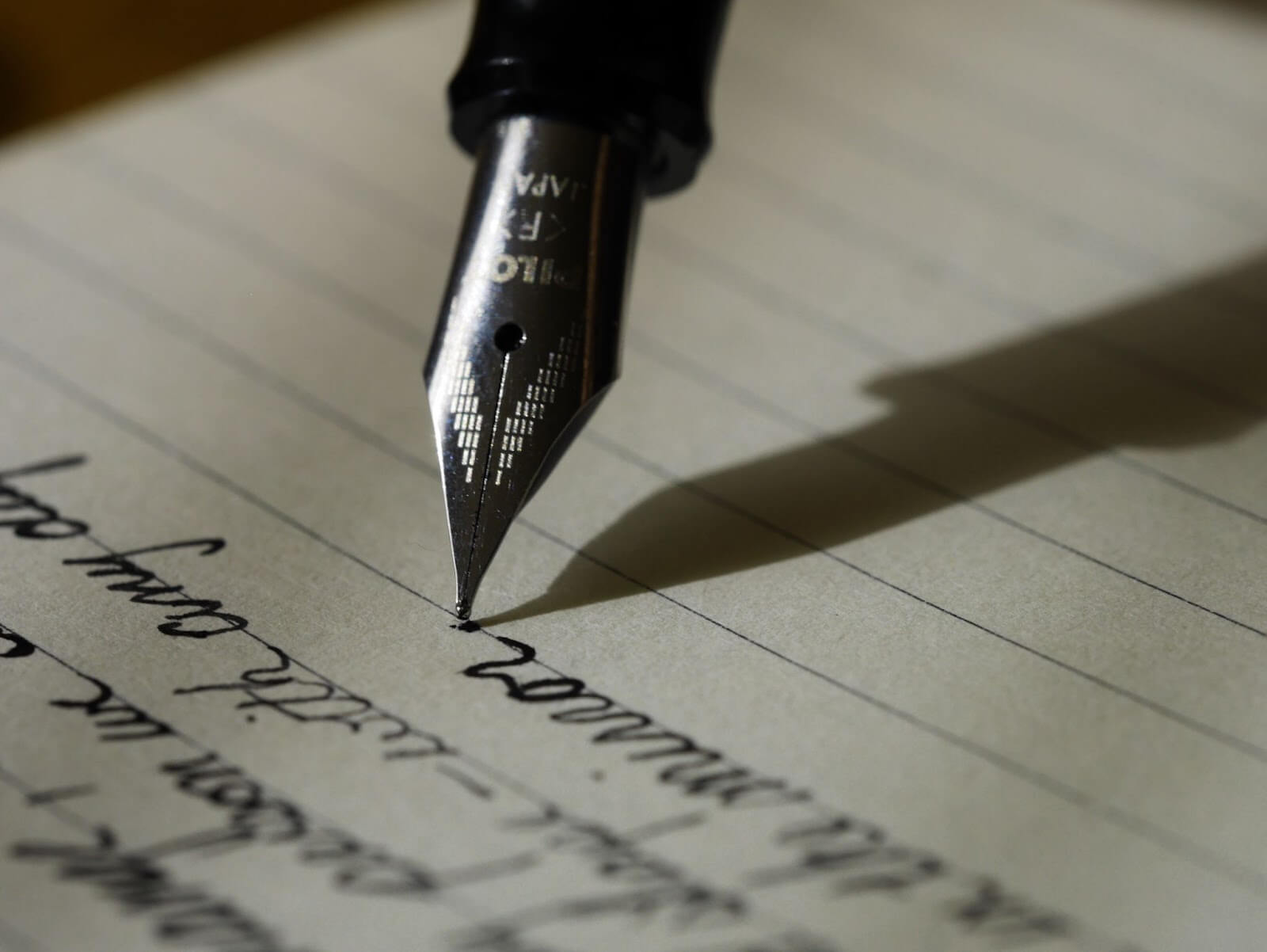
A do-it-yourself will makes sense if you are single with no children, since your situation is usually straightforward enough to handle without hiring an attorney. Avoid handwriting your will, since holographic wills are not recognized in every state, and where they are recognized, strict formalities still apply.
- Name an executor. This person makes an inventory of your assets, notifies creditors, pays your debts, and distributes what remains to the people you name. Choose a friend, family member, or anyone else you trust.
- Decide exactly how your assets should be distributed. Do not assume your executor will guess correctly. If you want your car to go to a sibling or your savings to go to a specific charity, write it down clearly.
- Arrange your witnesses. Witness requirements vary by state, and some states do not allow your executor to also serve as a witness, so confirm your state's specific rules before signing.
Tell Someone Where Your Will Is Located
Howard Hughes's estate was delayed partly because no one could find a valid updated will, despite years of searching his properties. Track star Florence Griffith Joyner had a will that existed but was not found until years after her estate had already been settled without it. Once you sign your will, make copies and tell someone you trust exactly where to find it, whether that is a personal safe, a bank deposit box, or a secure digital folder.
Update Your Will When Your Life Changes
Review your will once a year and after any of these events:
- Getting married or divorced
- Having a child
- Starting a new job or business
- Buying property, vehicles, or other significant assets
- Moving to a new state or country
- Receiving an inheritance
- Being diagnosed with a serious illness
If your situation changes to include a partner or children, see our guides on writing a will as newlyweds or writing a will if you have children for what changes at that point.
How FastWill Handles This
FastWill is built for exactly this situation: a single person with a straightforward estate who wants a valid will without paying an attorney or scheduling an office visit. The platform asks about your assets, your chosen beneficiaries, and your executor, then applies your state's specific signing and witnessing requirements automatically. You can log back in and update your choices any time your life or your relationships change.
What Happens Without a Will: More Real Cases
Our roundup of the consequences of dying without a will covers more examples like Howard Hughes, showing how quickly a straightforward estate can turn into a years-long legal process without a signed will in place.
Frequently Asked Questions
Who inherits if I am single and die without a will?
In most states, your parents inherit first. If they have passed, your estate typically goes to siblings, then more distant relatives, following your state's intestate succession order.
Can I leave my assets to a friend instead of family if I am single?
Yes, but only if you have a valid will naming that friend. Without one, state intestacy law only recognizes blood relatives, so a friend or partner would receive nothing.
Is a handwritten will valid if I am single with a simple estate?
Not in every state. Some states do not recognize handwritten wills at all, and those that do still require strict formalities, so a typed and properly witnessed will is the safer choice.
Do I need a will if I do not have significant assets?
Yes. A will protects whatever you own today and whatever you accumulate later, since you can update it at any time as your situation changes.
How often should a single person update their will?
Review it once a year and after any major life event, such as a new job, a move, a relationship change, or a significant inheritance.
Do Not Leave Your Estate to Chance
Being single does not mean your wishes matter less. Start your will with FastWill and make sure the people or causes you care about actually inherit what you intend.