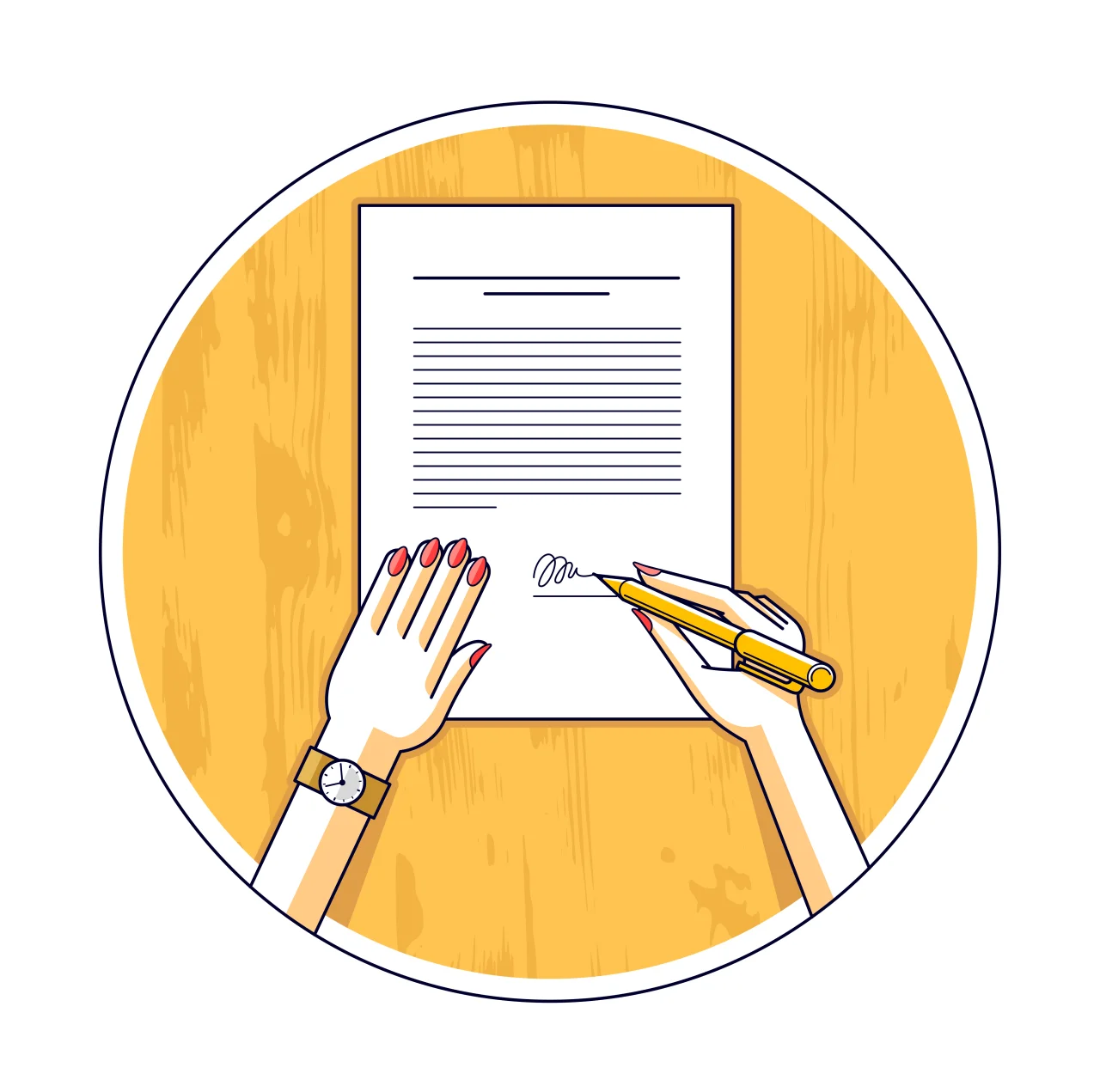

A will is a legal document that states who inherits your property and who cares for your minor children after you die. Most adults do not need a lawyer to make one, and an online will service can help you meet your state's signing and witnessing requirements without hiring one, in most straightforward situations.
Below are answers to the questions people ask most often before writing their first will. FastWill's will package covers each of these steps directly in the platform.
What Is a Will?
According to Cornell Law School's Legal Information Institute, a will is a legal document that states a testator's wishes and instructions for managing and distributing their estate after death. There is no meaningful difference between a will and a last will and testament; they mean the same thing.
Why Does Having a Will Matter?
A will lets you decide who inherits your property instead of leaving that decision to your state's default intestate succession rules. It also lets you name a guardian for minor children and an executor to manage your affairs, rather than having a court appoint someone. See our related guide on the consequences of dying without a will for what happens when this step is skipped.
A Worked Example of Intestate Succession
Consider an unmarried couple who lived together for twenty years but never married and never wrote a will. When one partner dies, most state intestate succession laws only recognize legal spouses and blood relatives, so the surviving partner can be left with no legal right to the home or accounts they built together, while an estranged sibling of the deceased inherits everything by default. A will would have let the deceased partner name their surviving partner directly, regardless of what state law would otherwise assume.
Does a Will Avoid Probate?
Generally no. A will is the document that gets submitted to a probate court, and probate is the court process that validates the will, appoints the executor, and oversees the distribution of assets. A will does not skip probate the way a trust or a beneficiary designation can, but it does give the court clear instructions to follow instead of defaulting to intestate succession rules. If avoiding probate entirely is your goal, that typically requires a trust in addition to, not instead of, a will. FastWill's trust package covers that side of planning.
Frequently Asked Questions
Do I need a lawyer to make a will?
No state requires a lawyer to draft a valid will. If your estate is large or complicated, consulting one can still be worthwhile, but online will services can help most people meet their state's legal requirements without one.
What happens if I die without a will?
Your state's intestate succession law decides who inherits your property, and the process often takes longer and increases the chance of disputes among family members compared with having a clear will in place.
Who should I name as executor?
Choose someone you trust who is organized and capable of handling financial and legal matters, such as a family member, a close friend, or a professional like an accountant.
Can I change my will later?
Yes, as long as you remain mentally competent. You can amend specific provisions through a codicil or create an entirely new will that revokes the previous one.
What assets can I include in a will?
Real estate, bank accounts without a named beneficiary, vehicles, personal belongings, and digital assets like cryptocurrency can all be included. Assets with a designated beneficiary, such as life insurance or retirement accounts, generally pass outside the will.
Can I disinherit someone in my will?
In most states you can disinherit almost anyone, including adult children, but most states protect a surviving spouse from being completely cut out through an elective share, a statutory right to claim a portion of the estate regardless of what the will says. Florida recognizes this right under Florida Statute section 732.201, and Cornell's Legal Information Institute describes the same protection existing in some form in most states. The only common way around it is a valid prenuptial or postnuptial agreement in which the spouse waives that right.
What is a codicil?
A codicil is a short, separate document that formally amends specific provisions of an existing will without rewriting the entire document. It must generally be signed and witnessed with the same formality as the original will. In practice, most online will services make it simpler to just generate a full replacement will that revokes the old one, since a codicil that is lost or separated from the original will can create confusion about which version controls.
Do I need to notarize my will?
Notarization is usually not required to make a will valid, since witnessing is the requirement that actually makes it legal in most states. Many people add a self-proving affidavit, a separate notarized statement signed by the witnesses, because it can let the probate court accept the will without tracking down the witnesses later to testify. It is a convenience for probate, not a substitute for proper witnessing.
Can a will be contested?
Yes, though it is not common for a properly executed will. A will can typically be challenged only for improper signing, undue influence, or the testator lacking mental capacity when they signed.
Should my spouse and I have a joint will?
Most estate planners recommend separate mirror wills instead of one joint document, since a joint will generally cannot be changed by the surviving spouse after the first spouse dies.
Can I handwrite my own will?
In some states, yes, but many states do not recognize a fully handwritten, or holographic, will. See our full explanation in beware of the handwritten will before relying on one.
How often should I review my will?
Review it annually or after any major life change, such as marriage, divorce, the birth of a child, buying or selling property, or moving to a new state.
Start With the Basics
These answers cover the questions that come up before you even begin drafting. Build your will with FastWill and get the rest of your specific questions answered as you go.