Famous people have used their wills for far more than dividing up money: paying for parties, leaving fortunes to pets, and even donating body parts to theater companies. These real cases show how far a will's instructions can legally go, and why a clear, properly executed document matters no matter how unusual your wishes are.
A will is a legal tool for stating exactly what you want done with your property and, within limits, your body and legacy after you die. Most people use it for straightforward decisions. Some famous people did not. Here are a few of the most memorable examples, and what each one actually reveals about how wills work.
Harry Houdini's Challenge From Beyond
Escape artist Harry Houdini spent much of his later career debunking mediums and psychics who claimed to contact the dead. In his will, he arranged a code word with his wife and offered a reward to anyone who could successfully prove contact with him after death using that code. Decades of seances later, no one has claimed it. The lesson here is more practical than spooky: a will can include conditional bequests, gifts that only trigger if a specific, verifiable condition is met, as long as the condition is clearly defined.
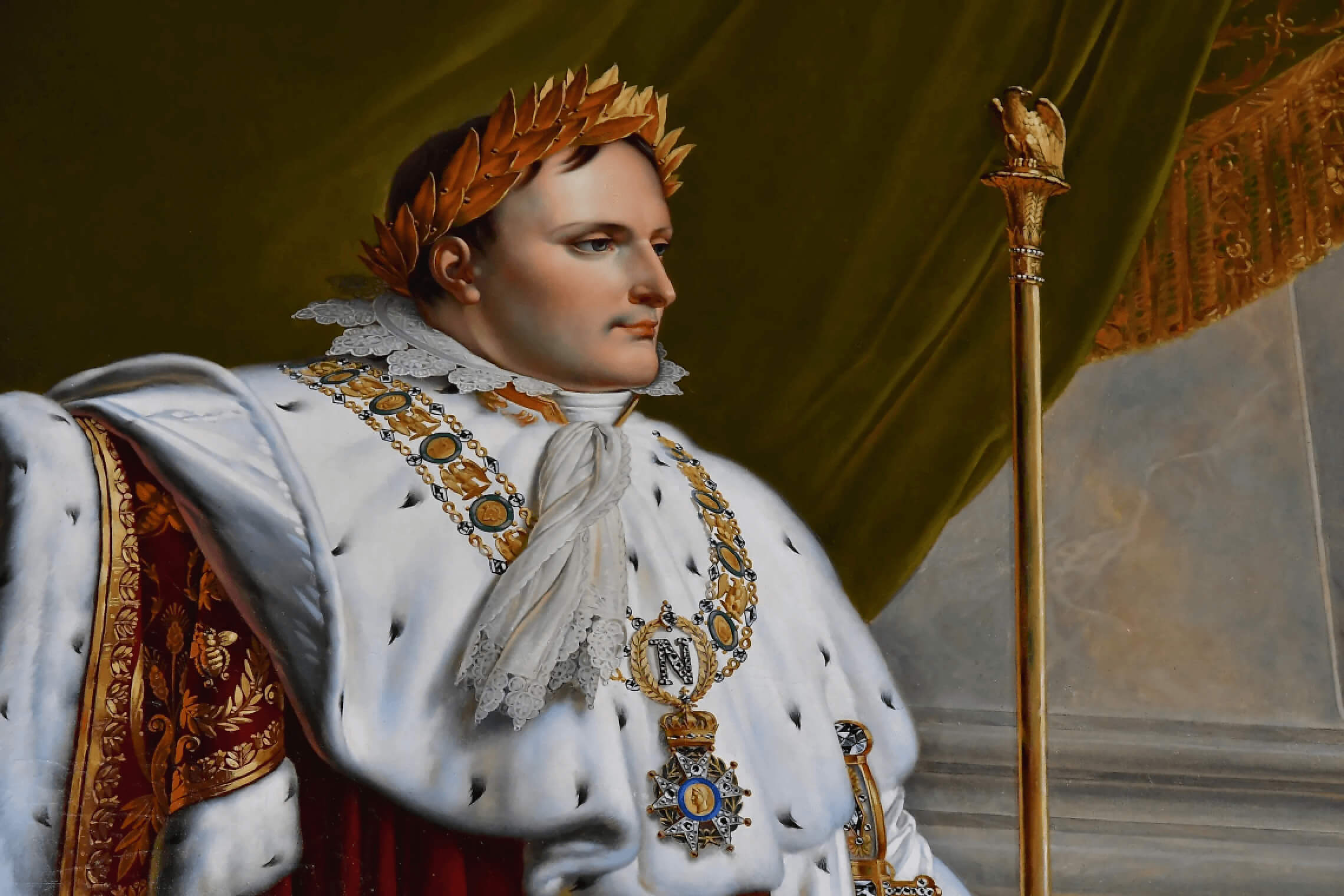
Napoleon Bonaparte's Handwritten Will
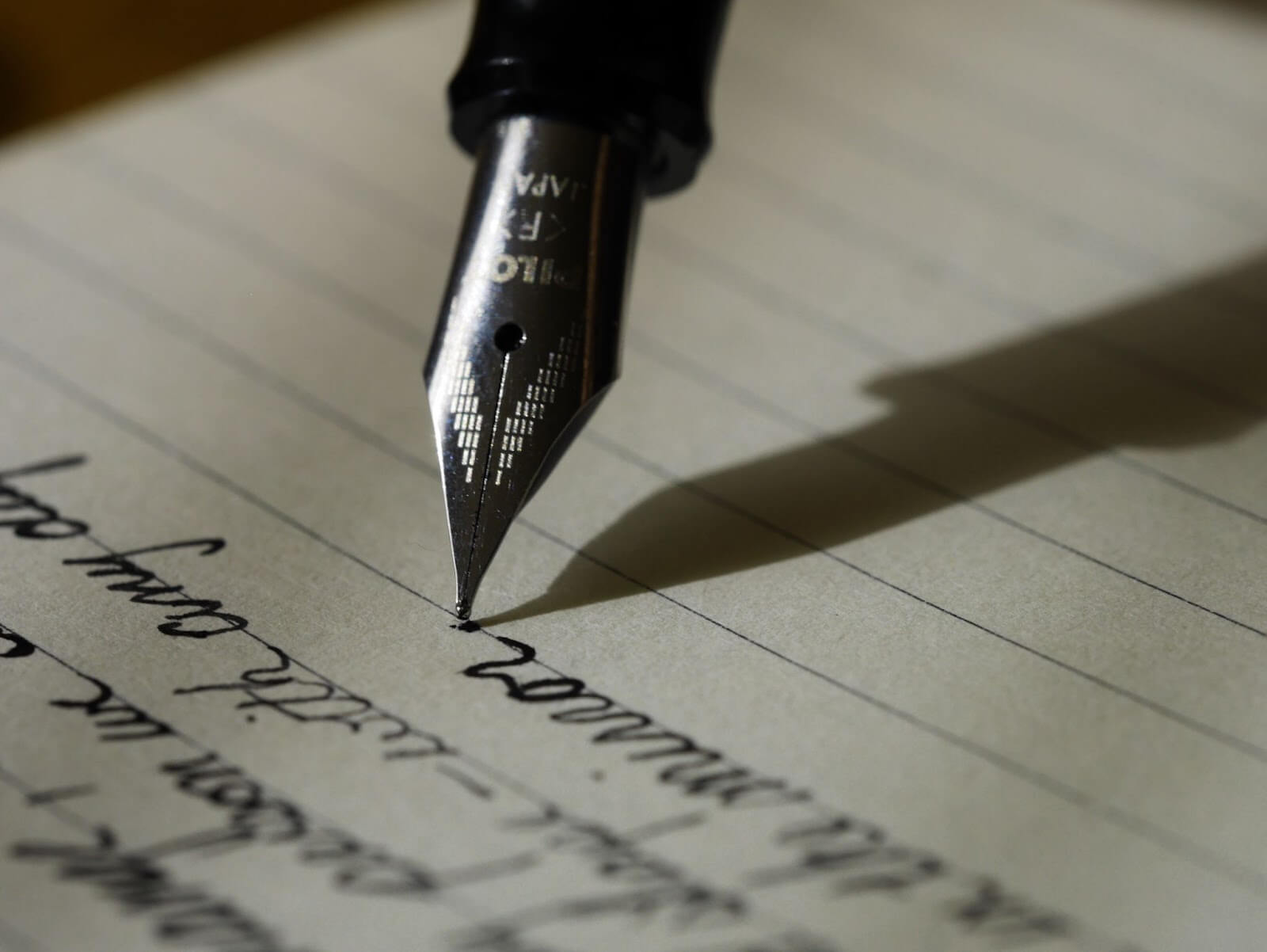
Napoleon wrote his own will by hand during his exile on St. Helena, following French legal requirements for a document executed without a notary present. According to napoleon.org, the will instructed his valet to preserve locks of his hair and have them made into bracelets for his family, though he reportedly did not have enough hair left to fulfill every bequest he had written. Napoleon's will is a real-world example of what Cornell Law School's Legal Information Institute calls a holographic will: a document written and signed entirely in the testator's own handwriting, with no witnesses required. Requirements vary significantly by state, some states require the entire document to be handwritten while others accept it if only the material portions are, which is exactly the kind of state-specific rule worth confirming before relying on one.
Janis Joplin's Farewell Party
Just two days before she died in 1970, Janis Joplin amended her will to direct her executor to spend up to 2,500 dollars throwing a party for her friends as a final gesture of goodbye. Her executor honored the instruction, and roughly 200 friends and fans gathered at her favorite San Francisco bar. This is a good example of how specific, funded instructions in a will get carried out exactly as written, as long as the executor has both the authority and the funds to do it.
Jack Benny's Daily Rose
Comedian Jack Benny's will instructed that a single long-stemmed red rose be delivered to his wife every day for the rest of her life after he died. She lived nine more years, receiving roughly 3,200 roses under that instruction. It is a reminder that a will can include ongoing, sentimental directions, not just one-time asset transfers, as long as the estate has resources set aside to fund them.
Leona Helmsley's Millionaire Dog
Real estate investor Leona Helmsley left 12 million dollars in trust for her Maltese, Trouble, while excluding two of her grandchildren from her will entirely. A court later reduced the dog's trust to 2 million dollars, redirecting the remaining 10 million to charity. The case is a genuinely useful cautionary tale: courts can and do modify a will's provisions when they find a bequest excessive or when disinherited relatives successfully contest it, which is one reason a will contest is a real risk worth planning around, not a hypothetical one.
Salvador Dali's Preserved Remains
Surrealist artist Salvador Dali requested that his body be embalmed and displayed publicly after his death. His remains were later exhumed decades after his death for a paternity test connected to a woman claiming to be his heir; the test found she was not his daughter. The case shows how an estate can remain legally open, and how heirship disputes can surface, long after the person who wrote the will has died.
What These Stories Actually Teach
Every one of these cases worked because the person had a valid, legally executed will that clearly stated their wishes. Even the strangest requests were honored, or at least seriously considered by a court, because the documents met the legal standard for a will in the relevant jurisdiction. If your will is vague, improperly signed, or missing required witnesses, none of your specific wishes, however reasonable, matter much once a court has to guess at your intent.
How FastWill Makes Sure Your Wishes Hold Up
Whether your instructions are conventional or unusual, FastWill's online will builder is built to meet your state's specific execution requirements, so your document is enforceable when it matters. If you want to see more real examples of unconventional final wishes, our article on the world's craziest burial requests covers several more.
Frequently Asked Questions
Can I put unusual requests in my will?
Generally yes, as long as the request is legal and your executor has the resources to carry it out. Courts have honored conditional bequests, funded parties, and ongoing gifts like Jack Benny's roses.
What is a holographic will?
A holographic will is one written entirely in the testator's own handwriting, like Napoleon's. Some states recognize these without witnesses; many require standard witnessing regardless of handwriting.
Can a court overturn part of my will?
Yes. As Leona Helmsley's case shows, courts can reduce or void a provision they find excessive, and disinherited relatives can contest a will's terms in some circumstances.
Can I leave money directly to a pet?
Not directly, since animals cannot legally own property. Most states allow a pet trust instead, naming a caretaker and trustee to manage funds for the animal's benefit. Our guide on including pets in your will covers how to set this up correctly.
Does an unusual will request risk being challenged?
It can, particularly if it appears to disinherit close family members in favor of an unusual bequest. Clear language and a properly executed document reduce, though do not eliminate, that risk.
Whatever your wishes are, make sure they are legally enforceable. Build your will with FastWill and put your instructions in writing the right way.