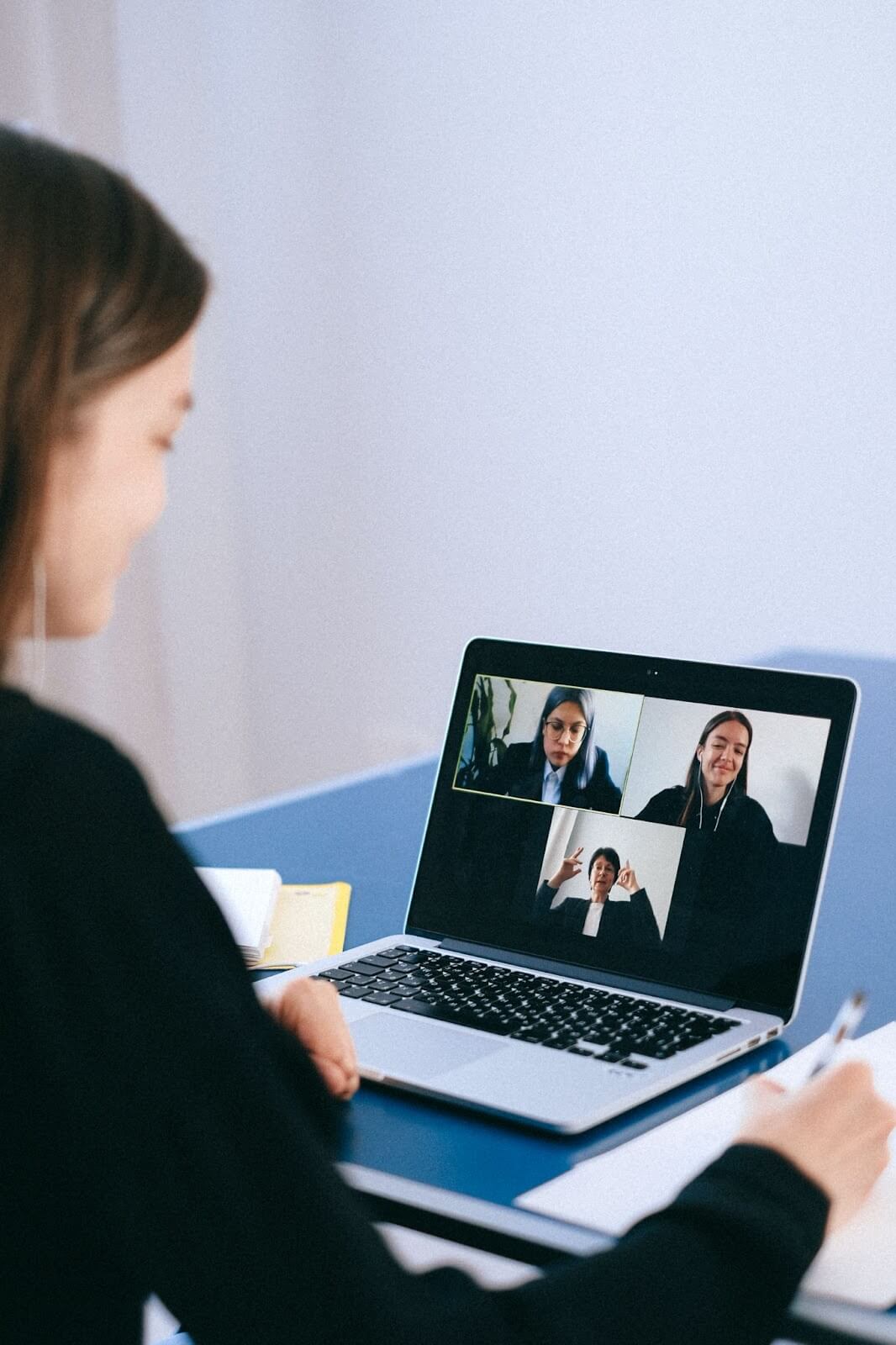
Remote notary services let you complete the witnessing and notarization step of your estate plan, including wills and powers of attorney, over live video instead of an in-person appointment. This matters most for people with mobility limits, tight schedules, or family spread across different cities, since it removes the logistics that keep otherwise-finished documents unsigned for weeks.
What a Notary Public Actually Does for Your Estate Plan
A notary public is appointed by state government to act as a neutral witness to the signing of legal documents. For estate planning specifically, a notary verifies your identity against a government-issued ID, confirms you understand what you are signing, watches the signature happen, and applies an official seal. Notaries are used constantly in real estate transactions, but they play just as important a role in validating wills, trusts, and powers of attorney. Many states model their notary procedures, including remote and electronic notarization, on the Revised Uniform Law on Notarial Acts from the Uniform Law Commission.
Where Remote Notarization Helps Most
Convenience for People Finishing a Will or Trust
Completing or amending an estate plan from home, rather than scheduling an in-person appointment, removes one of the biggest reasons people delay finishing documents they have already drafted. FastWill connects you directly with a remote notary partner once your documents are ready, so notarization happens in the same sitting as finishing your will.
Complying With State-Specific Requirements
Every state sets its own rules for executing a will, including how many witnesses are required and whether notarization is available or required for a given document. A remote notary service familiar with your state's current requirements can help make sure your documents are signed in a way that will actually hold up, rather than assuming the same process works everywhere.
Timely Updates When Life Changes
An estate plan you finished years ago may need a new beneficiary, a new agent, or a new guardian nomination after a life event. Remote notarization removes the friction of scheduling another in-person appointment every time something needs updating, which makes people more likely to actually keep their documents current.
Accessibility for Elderly and Homebound People
Elderly individuals and people with health conditions that make travel difficult benefit the most from remote notarization, since it lets them complete or update essential documents without the risk and difficulty of an in-person visit.
Reducing the Odds of a Later Challenge
A properly notarized, self-proving document is harder to dispute in court than one without a notarized affidavit. According to Cornell Law School's Legal Information Institute, a self-proving will is validated without requiring witnesses to appear in probate court, which both speeds up the process and reduces one avenue family members sometimes use to contest a will's execution.
How a Notary Helps Validate a Will
When a will includes a notarized affidavit signed by the witnesses, it becomes self-proving. That affidavit is evidence that the will was properly executed and that the person signing it, the testator, had the legal capacity to do so at the time. Without it, a probate court can require the witnesses themselves to testify, which becomes genuinely difficult if a witness has since died, moved away, or simply cannot be located years later. For a closer look at this specific process, see how a remote notary validates your last will and testament.
How a Notary Helps With a Power of Attorney
Powers of attorney are treated differently than wills in many states, and some require notarization for the document to be effective at all, particularly for financial and health care powers of attorney. There are several common types, including general, limited or special, durable, and health care powers of attorney, and each may carry its own execution requirements. A remote notary can complete this step for any of these forms without requiring an in-person visit to a bank or law office.
What the Process Actually Looks Like
- Finish drafting your documents. Notarization witnesses a completed signing, so your will or power of attorney should already be in final form.
- Schedule your session. Connect with your notary and confirm your witnesses are available for the same video call.
- Verify your identity. Have a current, government-issued photo ID ready to show on camera.
- Sign during the call. You and your witnesses sign while the notary observes, then the notary completes the notarial certificate and applies an electronic seal.
A Worked Example
Say your elderly parent lives three states away and needs to update their digital asset instructions and health care power of attorney after a recent diagnosis. Traveling to see them, or having them travel to a notary's office, may not be realistic. A remote notary session lets your parent, their witnesses, and the notary all meet on a single video call, with the updated documents signed and notarized the same day the changes are drafted.
Frequently Asked Questions
Is a remote notary session as legally valid as an in-person one?
In states that authorize remote online notarization, yes, as long as the notary follows the state's required identity verification and recording procedures.
Can a power of attorney be notarized remotely?
In many states, yes, though some financial institutions and courts have their own additional requirements, so confirm acceptance with the specific institution involved.
Do all of my documents need to be notarized?
No. Most states do not require notarization for a will to be valid, though it adds the self-proving benefit. Some powers of attorney do require notarization to be effective.
What if one of my witnesses cannot join the video call?
Most states require the witnesses to be part of the same signing session as the notary, so reschedule rather than split the signing across separate calls.
How long does a remote notary session take?
Most sessions for a will or power of attorney take well under an hour once the documents are finalized and your witnesses are ready.
Ready to finish your documents? Start with FastWill's online will builder, then use our remote notary partner to complete witnessing and notarization without leaving home.